
Most Home Sales Close: How Sellers Can Keep Deals on Track
Team Olivieri
Monday, August 31, 2026
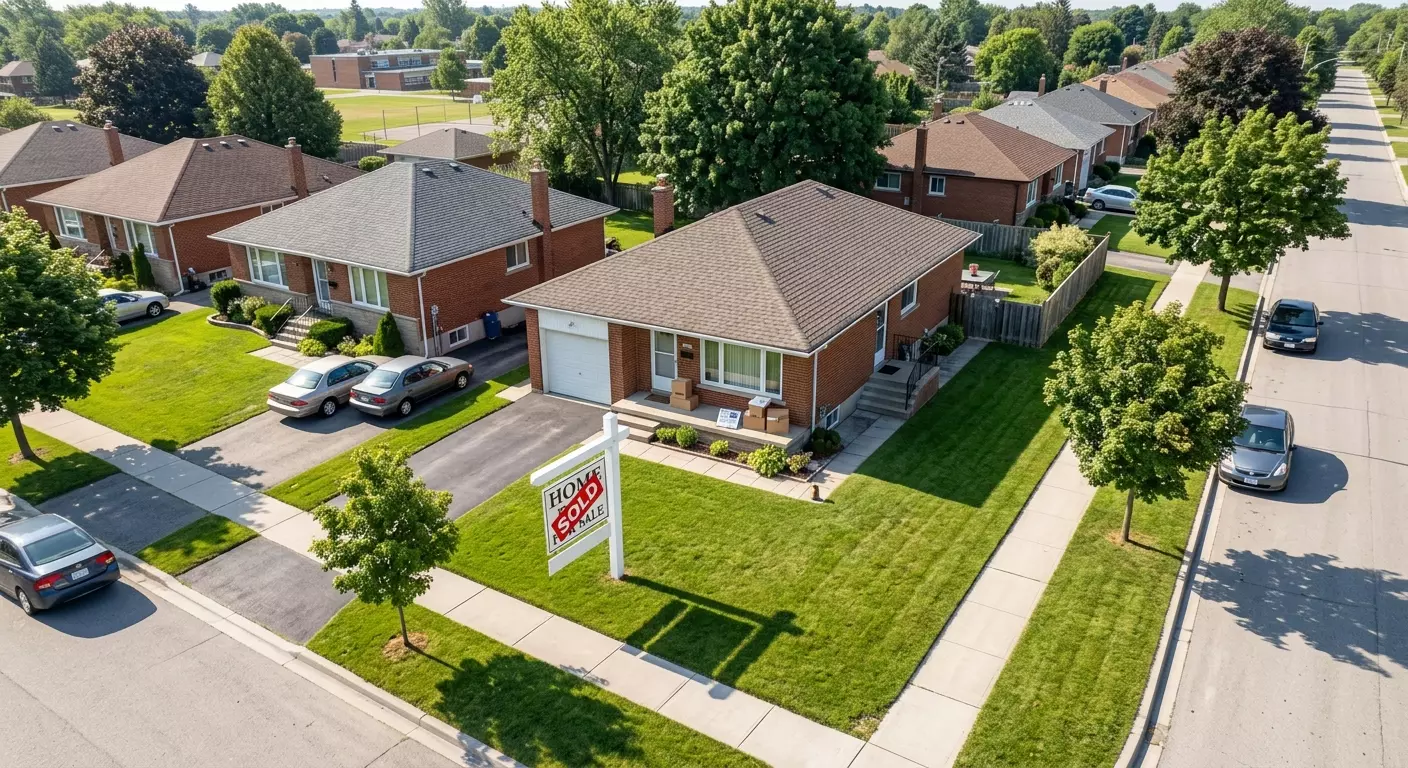
Few things are more frustrating than thinking your home sale is almost complete, only to have the deal fall apart before closing.
You have prepared the house, accepted an offer, packed boxes, made plans, and started picturing what comes next. The last thing you want is to go back on the market because a buyer walked away.
The good news is that most sales still make it to the closing table.
According to Redfin, about 14% of pending home sales fell through in July. That means approximately 86% of homes under contract still moved forward to closing.
So while a cancelled deal can happen, it is not the most likely outcome.
And one of the biggest risks to your sale is something you can often address before your home ever hits the market.
A home sale can fall through for several reasons. Some are outside a seller’s control, but others can be anticipated with the right preparation and offer strategy.
Inspection and Repair Issues
This is one of the most common trouble spots.
When a buyer’s inspector identifies an issue — such as a roofing concern, plumbing problem, electrical deficiency, foundation issue, aging HVAC system, or water damage — the buyer may ask for repairs, a closing credit, or a price reduction.
If the buyer and seller cannot agree on a solution, the buyer may choose to terminate the contract if their agreement includes an inspection contingency.
Redfin notes that buyers in markets with more available inventory have more confidence to walk away when inspections reveal problems, appraisals come in low, or sellers will not agree to requested repairs or concessions.
That does not mean every inspection issue needs to be fixed before listing. But it does mean sellers should avoid being surprised by major problems after accepting an offer.
Financing Problems
A pre-approval is important, but it is not the same as final loan approval.
Before closing, the buyer’s lender typically verifies income, assets, credit, employment, and the property itself. A sale may be delayed or cancelled if the buyer’s financing changes, an appraisal does not support the contract price, or the lender cannot complete approval in time.
While sellers cannot control a buyer’s lender, an experienced agent can help assess the strength of the buyer’s financing and the terms of their offer before it is accepted.
The Buyer Needs To Sell First
Some buyers need to sell their current home before they can complete the purchase of yours.
That creates an additional layer of uncertainty because the success of your transaction may depend on another property selling, passing inspection, appraising properly, and closing on schedule.
A home-sale contingency is not automatically a bad thing. In some situations, it can be perfectly workable. But it should be reviewed carefully.
A slightly higher offer is not always better if it comes with terms that create a greater risk of delay or cancellation.
Changes in the Buyer’s Financial Situation
Even after a buyer has been pre-approved, major financial changes can affect their ability to qualify before closing.
Examples can include:
The strongest way to reduce stress later is to prepare early.
A good listing strategy does more than help attract offers. It helps you choose an offer that is likely to survive the path from accepted contract to closing.
Consider a Pre-Listing Inspection
A pre-listing inspection is an inspection you arrange before your home goes on the market.
It can help you identify major issues before a buyer discovers them.
That gives you time to decide whether to:
However, for a home with an older roof, older mechanical systems, visible deferred maintenance, or potential concerns that may come up during a buyer inspection, getting ahead of the conversation can make a difference.
The goal is not to create a perfect house.
It is to reduce surprises.
Look Beyond the Highest Offer
The offer price matters. But it is not the only number that matters.
A strong offer should be reviewed as a complete package, including:
Choosing the right offer is not simply about selecting the largest number. It is about selecting the offer most likely to close on terms that work for you.
Your Local Market Matters
The right preparation strategy will vary by market, neighbourhood, price range, and property condition.
In a highly competitive market, buyers may be more willing to overlook cosmetic issues or accept a home as-is.
In a more buyer-friendly market, buyers may be more likely to request repairs, negotiate credits, or walk away if the inspection reveals an unexpected concern.
That is why broad advice is only a starting point. Your home needs a plan based on what buyers are expecting in your local market right now.
A Stronger Finish Starts With Better Preparation
A home sale does not have to be stressful from contract to closing.
Most pending sales do close. And with the right planning, a careful review of offers, and proactive preparation, you can reduce the chance that a preventable issue derails your transaction.
The best time to protect your closing is before the “For Sale” sign goes up.
Let’s create a personalized selling plan that identifies potential concerns, reviews the competition in your neighbourhood, prepares your home for today’s buyers, and helps you evaluate offers beyond just the price.
That way, you can move from listing to closing with fewer surprises — and more confidence that your sale will stay on track.
You have prepared the house, accepted an offer, packed boxes, made plans, and started picturing what comes next. The last thing you want is to go back on the market because a buyer walked away.
The good news is that most sales still make it to the closing table.
According to Redfin, about 14% of pending home sales fell through in July. That means approximately 86% of homes under contract still moved forward to closing.
So while a cancelled deal can happen, it is not the most likely outcome.
And one of the biggest risks to your sale is something you can often address before your home ever hits the market.
Why Home Sales Fall Apart
A home sale can fall through for several reasons. Some are outside a seller’s control, but others can be anticipated with the right preparation and offer strategy.Inspection and Repair Issues
This is one of the most common trouble spots.
When a buyer’s inspector identifies an issue — such as a roofing concern, plumbing problem, electrical deficiency, foundation issue, aging HVAC system, or water damage — the buyer may ask for repairs, a closing credit, or a price reduction.
If the buyer and seller cannot agree on a solution, the buyer may choose to terminate the contract if their agreement includes an inspection contingency.
Redfin notes that buyers in markets with more available inventory have more confidence to walk away when inspections reveal problems, appraisals come in low, or sellers will not agree to requested repairs or concessions.
That does not mean every inspection issue needs to be fixed before listing. But it does mean sellers should avoid being surprised by major problems after accepting an offer.
Financing Problems
A pre-approval is important, but it is not the same as final loan approval.
Before closing, the buyer’s lender typically verifies income, assets, credit, employment, and the property itself. A sale may be delayed or cancelled if the buyer’s financing changes, an appraisal does not support the contract price, or the lender cannot complete approval in time.
While sellers cannot control a buyer’s lender, an experienced agent can help assess the strength of the buyer’s financing and the terms of their offer before it is accepted.
The Buyer Needs To Sell First
Some buyers need to sell their current home before they can complete the purchase of yours.
That creates an additional layer of uncertainty because the success of your transaction may depend on another property selling, passing inspection, appraising properly, and closing on schedule.
A home-sale contingency is not automatically a bad thing. In some situations, it can be perfectly workable. But it should be reviewed carefully.
A slightly higher offer is not always better if it comes with terms that create a greater risk of delay or cancellation.
Changes in the Buyer’s Financial Situation
Even after a buyer has been pre-approved, major financial changes can affect their ability to qualify before closing.
Examples can include:
- Taking on new debt.
- Financing a car or major purchase.
- Changing jobs.
- Experiencing a change in income.
- Missing payments or seeing a credit-score change.
- Moving money between accounts without documentation.
The Best Time To Protect Your Sale Is Before Listing
The strongest way to reduce stress later is to prepare early.A good listing strategy does more than help attract offers. It helps you choose an offer that is likely to survive the path from accepted contract to closing.
Consider a Pre-Listing Inspection
A pre-listing inspection is an inspection you arrange before your home goes on the market.
It can help you identify major issues before a buyer discovers them.
That gives you time to decide whether to:
- Repair the issue before listing.
- Obtain quotes so you understand the potential cost.
- Adjust the price accordingly.
- Disclose the issue clearly.
- Offer a credit rather than completing repairs.
- Prepare documentation for repairs or maintenance already completed.
However, for a home with an older roof, older mechanical systems, visible deferred maintenance, or potential concerns that may come up during a buyer inspection, getting ahead of the conversation can make a difference.
The goal is not to create a perfect house.
It is to reduce surprises.
Look Beyond the Highest Offer
The offer price matters. But it is not the only number that matters.
A strong offer should be reviewed as a complete package, including:
- Buyer financing and lender strength.
- Down payment amount.
- Earnest-money deposit.
- Inspection conditions.
- Appraisal conditions.
- Home-sale contingencies.
- Requested closing date.
- Possession date.
- Repair or credit expectations.
- Flexibility if a problem arises.
Choosing the right offer is not simply about selecting the largest number. It is about selecting the offer most likely to close on terms that work for you.
Your Local Market Matters
The right preparation strategy will vary by market, neighbourhood, price range, and property condition.
In a highly competitive market, buyers may be more willing to overlook cosmetic issues or accept a home as-is.
In a more buyer-friendly market, buyers may be more likely to request repairs, negotiate credits, or walk away if the inspection reveals an unexpected concern.
That is why broad advice is only a starting point. Your home needs a plan based on what buyers are expecting in your local market right now.
A Stronger Finish Starts With Better Preparation
A home sale does not have to be stressful from contract to closing.
Most pending sales do close. And with the right planning, a careful review of offers, and proactive preparation, you can reduce the chance that a preventable issue derails your transaction.
Ready To Sell With More Confidence?
The best time to protect your closing is before the “For Sale” sign goes up.Let’s create a personalized selling plan that identifies potential concerns, reviews the competition in your neighbourhood, prepares your home for today’s buyers, and helps you evaluate offers beyond just the price.
That way, you can move from listing to closing with fewer surprises — and more confidence that your sale will stay on track.
We would like to hear from you! If you have any questions, please do not hesitate to contact us. We are always looking forward to hearing from you! We will do our best to reply to you within 24 hours !