
More Listings Don’t Tell the Whole Story: Understanding Your Local Market
Team Olivieri
Monday, November 2, 2026
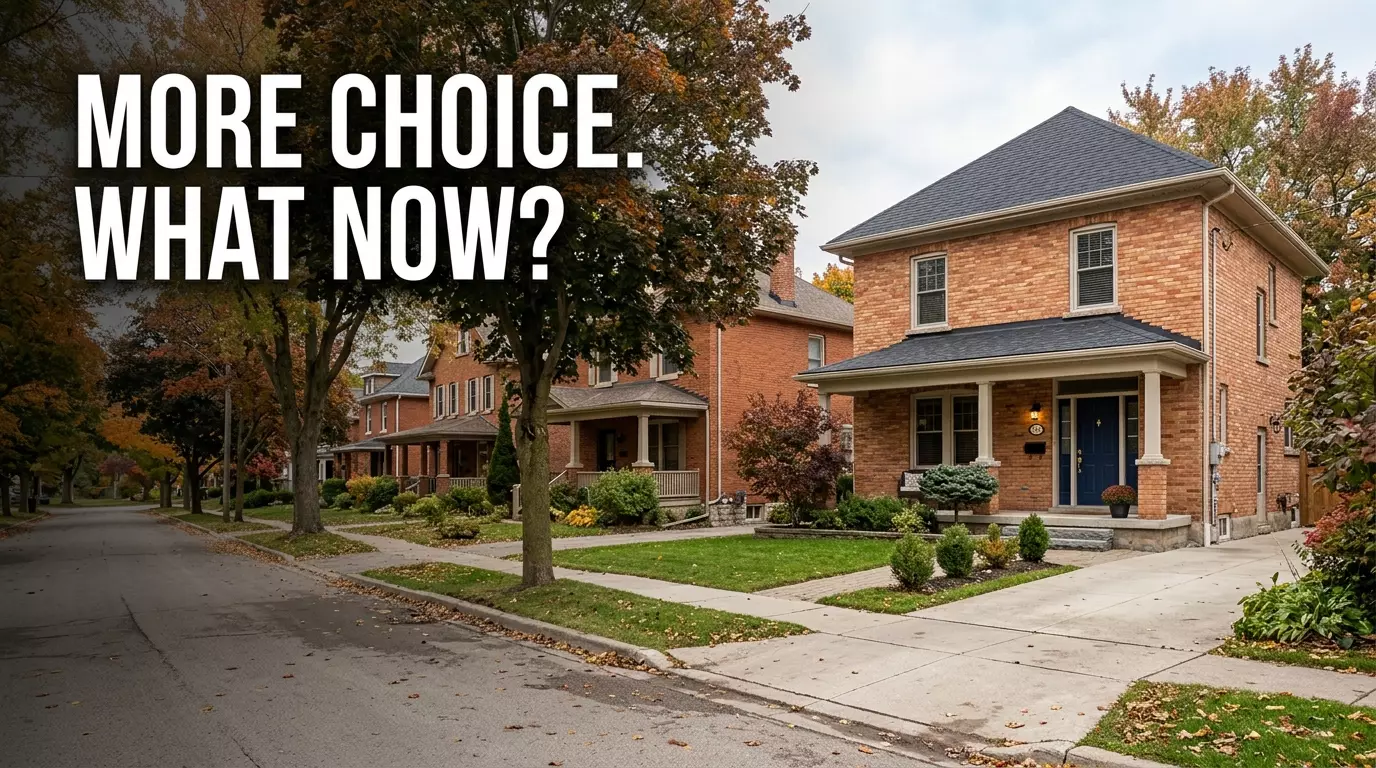
When you’re browsing homes online, it can feel like there’s plenty to choose from. Some properties keep appearing in your search, new listings arrive, and the pressure to make an immediate decision may feel different from what you remember.
But does that mean the number of homes for sale is rising everywhere? And does more choice automatically put buyers in control?
The answer depends on where you’re looking—and what you’re comparing.
For buyers and sellers in Brantford, Brant County, Paris, Cambridge, Kitchener and surrounding communities, understanding housing supply can help you make a more informed move.
Ontario’s September 2026 figures illustrate that distinction. Active listings were down 4.2% year over year, but remained 39.8% above the 10-year average for September. In the Brantford Regional Real Estate Association’s reporting area, active listings were down 7.5% year over year, while sitting 39.3% above the 10-year average.
That helps explain why a market can offer meaningful selection without experiencing a fresh surge in listings.
It also shows why a headline about “more homes for sale” needs context. More than last month? More than last year? Or more than buyers would normally see at this time of year?
Each comparison tells a different story.
New listings add to that supply. Sales, expired listings and properties taken off the market reduce it.
If homes enter the market faster than they leave, inventory grows. That can happen because more owners decide to sell, because fewer buyers complete purchases, or through a combination of both.
Mortgage costs can influence buyer activity, but they are only part of the picture. Employment, household budgets, consumer confidence, seasonal patterns and the suitability of available homes can all affect someone’s decision to move.
The useful question is: How does the available supply compare with the number of buyers purchasing homes like yours?
A provincial snapshot provides context, but it cannot tell you exactly what to expect on a particular street.
Even nearby markets can move differently. Ontario recorded 5.4 months of inventory in September 2026, compared with 4.2 months in the Brantford board area. That measure estimates how long the existing supply would take to sell at the current sales pace; it does not predict how long an individual home will take to sell.
Within each community, the competition can also vary by property type, condition and location.
A detached home in an established Brantford neighbourhood may attract a different group of buyers than a condominium in Kitchener or a rural property outside Paris. The number of competing homes matters, but so does how closely those properties match what buyers want.
Before making a decision, look at recent comparable sales, current competing listings and the activity in your specific segment of the market.
When several suitable homes are available, you may have more opportunity to compare your options carefully.
That could mean evaluating the neighbourhood, reviewing the property’s condition, considering future maintenance and deciding whether the layout supports your longer-term plans.
Depending on the property and the seller’s circumstances, there may also be room to discuss:
- The offer amount.
- A closing date that works for both parties.
- Included appliances or other items.
- Appropriate financing and home inspection conditions.
However, a longer time on the market does not automatically mean there is something wrong with a home—or that the seller will accept a substantial reduction.
The asking strategy, property condition, showing access and size of the potential buyer pool can all influence selling time.
A stronger approach is to compare the home with relevant alternatives and build your offer around the evidence, your budget and your needs.
When buyers have several alternatives, your home needs to give them a clear reason to book a showing and consider an offer.
Start by understanding the properties your home will compete against. What do they offer? How are they presented? Which homes are selling, and which remain available?
From there, focus on the parts of the process you can influence:
Set an informed asking strategy. Recent comparable sales and current competition help establish where your property fits.
Make the first impression count. Thoughtful preparation, strong photography and an inviting presentation help buyers understand the home’s appeal.
Highlight the features that matter. Usable outdoor space, a practical layout, location and upkeep can help explain why a property deserves attention.
Review the response. Showing activity, buyer feedback and changes in competing listings can help determine whether adjustments are needed.
The goal is to launch with a clear plan and respond thoughtfully to what the market tells you.
If you’re selling one home and buying another, the conditions affect both transactions.
You may face more competition when selling while also finding more suitable options for your next purchase. The result depends on the two properties, their locations and how the timing fits together.
Looking at the complete move—including financing, carrying costs and closing dates—can be more useful than focusing only on the sale or purchase in isolation.
The number of homes for sale is useful information. Its value comes from understanding what that supply means for the home you want to buy or sell.
Whether you’re planning a move in Brantford, Brant County, Paris, Cambridge, Kitchener, Woodstock, Hamilton or the surrounding area, start with information relevant to your community and property type.
Call Team OLIVIERI for a FREE, no-obligation conversation about your next move. Ask about our Personalized Home Finder if you’re buying, or request a FREE Home Evaluation and Neighbourhood Market Watch if you’re considering selling.
We’ll help you understand your options and build a plan around your goals.
But does that mean the number of homes for sale is rising everywhere? And does more choice automatically put buyers in control?
The answer depends on where you’re looking—and what you’re comparing.
For buyers and sellers in Brantford, Brant County, Paris, Cambridge, Kitchener and surrounding communities, understanding housing supply can help you make a more informed move.
More Choice Doesn’t Always Mean Inventory Is Increasing
Two things can be true at the same time: buyers can have more choice than is typical for the season, while the number of available homes is lower than it was a year ago.Ontario’s September 2026 figures illustrate that distinction. Active listings were down 4.2% year over year, but remained 39.8% above the 10-year average for September. In the Brantford Regional Real Estate Association’s reporting area, active listings were down 7.5% year over year, while sitting 39.3% above the 10-year average.
That helps explain why a market can offer meaningful selection without experiencing a fresh surge in listings.
It also shows why a headline about “more homes for sale” needs context. More than last month? More than last year? Or more than buyers would normally see at this time of year?
Each comparison tells a different story.
How Homes Accumulate on the Market
Housing inventory is the number of homes available for sale at a particular time.New listings add to that supply. Sales, expired listings and properties taken off the market reduce it.
If homes enter the market faster than they leave, inventory grows. That can happen because more owners decide to sell, because fewer buyers complete purchases, or through a combination of both.
Mortgage costs can influence buyer activity, but they are only part of the picture. Employment, household budgets, consumer confidence, seasonal patterns and the suitability of available homes can all affect someone’s decision to move.
The useful question is: How does the available supply compare with the number of buyers purchasing homes like yours?
Why Local Conditions Matter More Than Broad Headlines
A provincial snapshot provides context, but it cannot tell you exactly what to expect on a particular street.Even nearby markets can move differently. Ontario recorded 5.4 months of inventory in September 2026, compared with 4.2 months in the Brantford board area. That measure estimates how long the existing supply would take to sell at the current sales pace; it does not predict how long an individual home will take to sell.
Within each community, the competition can also vary by property type, condition and location.
A detached home in an established Brantford neighbourhood may attract a different group of buyers than a condominium in Kitchener or a rural property outside Paris. The number of competing homes matters, but so does how closely those properties match what buyers want.
Before making a decision, look at recent comparable sales, current competing listings and the activity in your specific segment of the market.
What This Means If You’re Buying
When several suitable homes are available, you may have more opportunity to compare your options carefully.That could mean evaluating the neighbourhood, reviewing the property’s condition, considering future maintenance and deciding whether the layout supports your longer-term plans.
Depending on the property and the seller’s circumstances, there may also be room to discuss:
- The offer amount.
- A closing date that works for both parties.
- Included appliances or other items.
- Appropriate financing and home inspection conditions.
However, a longer time on the market does not automatically mean there is something wrong with a home—or that the seller will accept a substantial reduction.
The asking strategy, property condition, showing access and size of the potential buyer pool can all influence selling time.
A stronger approach is to compare the home with relevant alternatives and build your offer around the evidence, your budget and your needs.
What This Means If You’re Selling
When buyers have several alternatives, your home needs to give them a clear reason to book a showing and consider an offer.Start by understanding the properties your home will compete against. What do they offer? How are they presented? Which homes are selling, and which remain available?
From there, focus on the parts of the process you can influence:
Set an informed asking strategy. Recent comparable sales and current competition help establish where your property fits.
Make the first impression count. Thoughtful preparation, strong photography and an inviting presentation help buyers understand the home’s appeal.
Highlight the features that matter. Usable outdoor space, a practical layout, location and upkeep can help explain why a property deserves attention.
Review the response. Showing activity, buyer feedback and changes in competing listings can help determine whether adjustments are needed.
The goal is to launch with a clear plan and respond thoughtfully to what the market tells you.
Buying and Selling? Consider the Whole Move
If you’re selling one home and buying another, the conditions affect both transactions.You may face more competition when selling while also finding more suitable options for your next purchase. The result depends on the two properties, their locations and how the timing fits together.
Looking at the complete move—including financing, carrying costs and closing dates—can be more useful than focusing only on the sale or purchase in isolation.
Make Your Next Move With Local Insight
The number of homes for sale is useful information. Its value comes from understanding what that supply means for the home you want to buy or sell.Whether you’re planning a move in Brantford, Brant County, Paris, Cambridge, Kitchener, Woodstock, Hamilton or the surrounding area, start with information relevant to your community and property type.
Call Team OLIVIERI for a FREE, no-obligation conversation about your next move. Ask about our Personalized Home Finder if you’re buying, or request a FREE Home Evaluation and Neighbourhood Market Watch if you’re considering selling.
We’ll help you understand your options and build a plan around your goals.
We would like to hear from you! If you have any questions, please do not hesitate to contact us. We are always looking forward to hearing from you! We will do our best to reply to you within 24 hours !