
Could a Fixer-Upper Be Your Way Into Homeownership in Ontario?
You find a home in a neighbourhood you like. The layout works, the yard has potential and the commute makes sense.
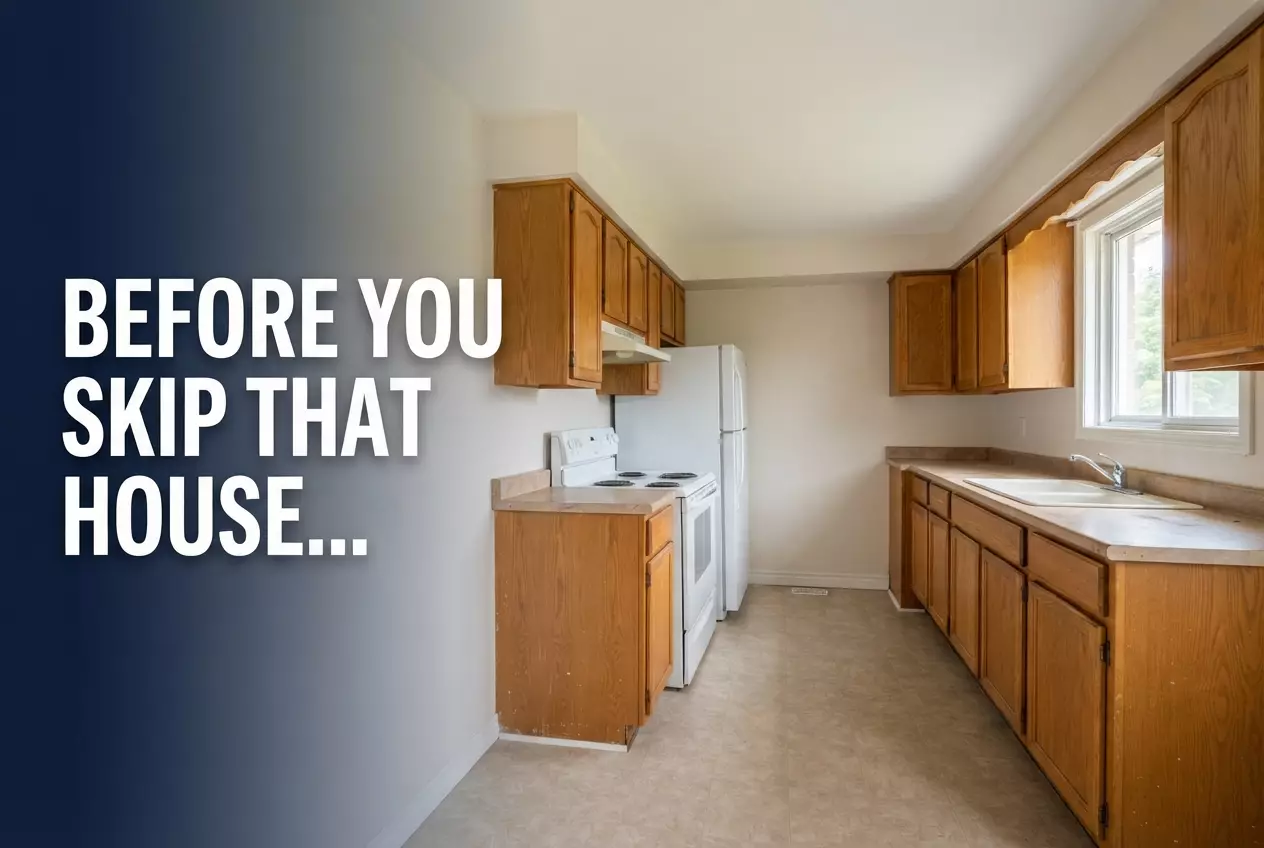
Then you see the kitchen.
Older cabinets, dated flooring and paint colours you would never choose can make it tempting to move straight to the next listing. But if updated homes keep stretching your budget, a property that needs some attention may deserve a closer look.
For buyers in Brantford, Paris, Cambridge, Kitchener and surrounding communities, widening the search to include homes that need updating can introduce options you might otherwise overlook.
The decision comes down to the work involved, what it will cost and whether you’re comfortable taking it on.
“Fixer-upper” can describe very different properties.
One home may need paint, flooring and a bathroom refresh. Another may need significant work to its structure, plumbing, electrical system or roof.
Those differences affect your budget, financing and ability to live in the home while work takes place.
As you explore a property, separate the changes you would like to make from the repairs that need attention. A functional kitchen you dislike may be something you can update later. A recurring water problem needs investigation before you decide what the home is worth to you.
A home inspection can help you understand accessible components and systems, but its scope has limits. Ontario’s guidance explains that an inspection is visual, cannot identify every issue and does not confirm compliance with zoning or building codes. Significant concerns may require a specialist’s assessment.
A property needing work may be available for less than a comparable updated home. The difference varies with location, condition and competition.
Before deciding whether it offers value, build a budget that includes:
- The purchase and closing costs.
- Repairs needed before or shortly after moving in.
- Planned improvements, including labour and applicable taxes.
- Permits, professional assessments and project expenses.
- Temporary accommodation or storage, if needed.
- A reserve for unexpected work.
Get written estimates for the projects that could change your decision to buy. Ask what each quote includes, what remains uncertain and how long the work is expected to take.
CMHC also recommends setting aside money for unexpected renovation costs. Having that reserve gives you more room to respond if the work reveals something you did not anticipate.
Compare that complete picture with the cost and convenience of other suitable homes. A project makes sense when you can afford the work and are comfortable with the time it will take.
A home with dated finishes can offer the opportunity to settle in and make changes gradually.
If the property is suitable to occupy and essential repairs are addressed, you may be comfortable living with older cabinetry or flooring while you save for the next project. That can also give you time to understand how you use the space before making larger decisions.
Ask yourself:
- Can I live comfortably with the current kitchen and bathroom?
- Which repairs need to happen immediately?
- How much disruption can my household manage?
- Do I have time to organize trades and make project decisions?
- Would I still want this home if the updates took longer than expected?
Be realistic about the work you plan to do yourself. Your budget should reflect your skills, available time and the tasks that require qualified professionals.
Some qualified buyers can arrange financing that includes both the home purchase and eligible improvements.
Canadian options include CMHC Improvement and Sagen’s Purchase Plus Improvements program, accessed through participating lenders. Approval depends on the borrower, property, proposed work and applicable lending requirements.
Speak with a mortgage professional early and ask:
- Is this property eligible?
- Which improvements can be included?
- What quotes or other documents are required?
- How much additional down payment or cash will I need?
- When must the work be completed?
- When are renovation funds released?
- Will I need to cover expenses before those funds become available?
The funding schedule matters. Renovation financing may involve holdbacks or staged advances, so confirm how you would pay contractors and purchase materials throughout the project. Sagen’s program, for example, includes documentation and completion-verification requirements.
Arrange financing around a specific plan before making commitments based on assumed approval.
If the home appeals to you because you want to remove a wall, add living space or change how part of the property is used, investigate that plan before relying on it.
Depending on the work, permits and other approvals may be required. Contact the municipality about the proposed project and ask qualified professionals to assess what is practical.
In Brantford, Paris, Cambridge or Kitchener, an older home’s character may be part of its appeal. Take the same care with its age, previous alterations and future maintenance as you do with its renovation possibilities.
If you explore rebates or assistance programs, verify current eligibility and any approval steps before starting work. Build your purchase budget around the funds you can confidently access.
A fixer-upper may suit a buyer who can see past dated finishes, has room in the budget for repairs and is comfortable improving a home over time.
Before moving ahead, bring together the property assessment, contractor estimates, financing details and your own expectations. Your agent can help you compare the home with relevant alternatives and discuss appropriate offer conditions.
Looking for a home with potential in Brantford, Brant County, Paris, Cambridge, Kitchener, Woodstock, Hamilton or surrounding communities? Call Team OLIVIERI for a FREE, no-obligation consultation.
Ask about our Personalized Home Finder. We’ll help you explore homes that fit your goals—including properties you may have overlooked because of their finishes.
--
A: A home needing work may cost less than a comparable updated property, but there is no universal discount. Compare its purchase cost, required repairs and planned improvements with other suitable homes.
Q: Can renovation costs be included in a Canadian mortgage?
A: Some qualified buyers can include eligible improvements through a participating lender. Programs such as CMHC Improvement and Sagen Purchase Plus Improvements have requirements relating to the property, borrower and work. Ask a mortgage professional to assess your plans.
Q: Can I move in and renovate gradually?
A: That depends on the property’s condition, essential repairs and any financing or approval requirements. Establish what needs to happen immediately before deciding which cosmetic updates can wait.
Q: Will a home inspection identify everything that needs repairing?
A: An inspection assesses accessible areas and systems within its scope. Hidden defects and inaccessible areas may require further investigation, and a general inspection does not establish building-code or zoning compliance.
Q: How can Team OLIVIERI help me find homes with potential?
A: Our FREE Personalized Home Finder can help you follow properties that match your location and housing needs. We can help you compare options and identify questions to investigate before making an offer.
You find a home in a neighbourhood you like. The layout works, the yard has potential and the commute makes sense.
Then you see the kitchen.
Older cabinets, dated flooring and paint colours you would never choose can make it tempting to move straight to the next listing. But if updated homes keep stretching your budget, a property that needs some attention may deserve a closer look.
For buyers in Brantford, Paris, Cambridge, Kitchener and surrounding communities, widening the search to include homes that need updating can introduce options you might otherwise overlook.
The decision comes down to the work involved, what it will cost and whether you’re comfortable taking it on.
Look Beyond the Finishes—and Investigate the Condition
“Fixer-upper” can describe very different properties.One home may need paint, flooring and a bathroom refresh. Another may need significant work to its structure, plumbing, electrical system or roof.
Those differences affect your budget, financing and ability to live in the home while work takes place.
As you explore a property, separate the changes you would like to make from the repairs that need attention. A functional kitchen you dislike may be something you can update later. A recurring water problem needs investigation before you decide what the home is worth to you.
A home inspection can help you understand accessible components and systems, but its scope has limits. Ontario’s guidance explains that an inspection is visual, cannot identify every issue and does not confirm compliance with zoning or building codes. Significant concerns may require a specialist’s assessment.
A Lower Purchase Price Is Only Part of the Budget
A property needing work may be available for less than a comparable updated home. The difference varies with location, condition and competition.Before deciding whether it offers value, build a budget that includes:
- The purchase and closing costs.
- Repairs needed before or shortly after moving in.
- Planned improvements, including labour and applicable taxes.
- Permits, professional assessments and project expenses.
- Temporary accommodation or storage, if needed.
- A reserve for unexpected work.
Get written estimates for the projects that could change your decision to buy. Ask what each quote includes, what remains uncertain and how long the work is expected to take.
CMHC also recommends setting aside money for unexpected renovation costs. Having that reserve gives you more room to respond if the work reveals something you did not anticipate.
Compare that complete picture with the cost and convenience of other suitable homes. A project makes sense when you can afford the work and are comfortable with the time it will take.
Some Updates Can Happen Over Time
A home with dated finishes can offer the opportunity to settle in and make changes gradually.If the property is suitable to occupy and essential repairs are addressed, you may be comfortable living with older cabinetry or flooring while you save for the next project. That can also give you time to understand how you use the space before making larger decisions.
Ask yourself:
- Can I live comfortably with the current kitchen and bathroom?
- Which repairs need to happen immediately?
- How much disruption can my household manage?
- Do I have time to organize trades and make project decisions?
- Would I still want this home if the updates took longer than expected?
Be realistic about the work you plan to do yourself. Your budget should reflect your skills, available time and the tasks that require qualified professionals.
Canadian Financing Options May Help With Eligible Improvements
Some qualified buyers can arrange financing that includes both the home purchase and eligible improvements.Canadian options include CMHC Improvement and Sagen’s Purchase Plus Improvements program, accessed through participating lenders. Approval depends on the borrower, property, proposed work and applicable lending requirements.
Speak with a mortgage professional early and ask:
- Is this property eligible?
- Which improvements can be included?
- What quotes or other documents are required?
- How much additional down payment or cash will I need?
- When must the work be completed?
- When are renovation funds released?
- Will I need to cover expenses before those funds become available?
The funding schedule matters. Renovation financing may involve holdbacks or staged advances, so confirm how you would pay contractors and purchase materials throughout the project. Sagen’s program, for example, includes documentation and completion-verification requirements.
Arrange financing around a specific plan before making commitments based on assumed approval.
Check Whether Your Plans Are Feasible
If the home appeals to you because you want to remove a wall, add living space or change how part of the property is used, investigate that plan before relying on it.Depending on the work, permits and other approvals may be required. Contact the municipality about the proposed project and ask qualified professionals to assess what is practical.
In Brantford, Paris, Cambridge or Kitchener, an older home’s character may be part of its appeal. Take the same care with its age, previous alterations and future maintenance as you do with its renovation possibilities.
If you explore rebates or assistance programs, verify current eligibility and any approval steps before starting work. Build your purchase budget around the funds you can confidently access.
Find a Home With Potential You Can Manage
A fixer-upper may suit a buyer who can see past dated finishes, has room in the budget for repairs and is comfortable improving a home over time.Before moving ahead, bring together the property assessment, contractor estimates, financing details and your own expectations. Your agent can help you compare the home with relevant alternatives and discuss appropriate offer conditions.
Looking for a home with potential in Brantford, Brant County, Paris, Cambridge, Kitchener, Woodstock, Hamilton or surrounding communities? Call Team OLIVIERI for a FREE, no-obligation consultation.
Ask about our Personalized Home Finder. We’ll help you explore homes that fit your goals—including properties you may have overlooked because of their finishes.
--
Frequently Asked Questions (FAQ)
Q: Are fixer-uppers always cheaper than move-in-ready homes?A: A home needing work may cost less than a comparable updated property, but there is no universal discount. Compare its purchase cost, required repairs and planned improvements with other suitable homes.
Q: Can renovation costs be included in a Canadian mortgage?
A: Some qualified buyers can include eligible improvements through a participating lender. Programs such as CMHC Improvement and Sagen Purchase Plus Improvements have requirements relating to the property, borrower and work. Ask a mortgage professional to assess your plans.
Q: Can I move in and renovate gradually?
A: That depends on the property’s condition, essential repairs and any financing or approval requirements. Establish what needs to happen immediately before deciding which cosmetic updates can wait.
Q: Will a home inspection identify everything that needs repairing?
A: An inspection assesses accessible areas and systems within its scope. Hidden defects and inaccessible areas may require further investigation, and a general inspection does not establish building-code or zoning compliance.
Q: How can Team OLIVIERI help me find homes with potential?
A: Our FREE Personalized Home Finder can help you follow properties that match your location and housing needs. We can help you compare options and identify questions to investigate before making an offer.
Categories:
Buyers Resource Hub
We would like to hear from you! If you have any questions, please do not hesitate to contact us. We are always looking forward to hearing from you! We will do our best to reply to you within 24 hours !