
Before You Accept an Offer: Three Risks Ontario Sellers Should Understand
Team Olivieri
Monday, November 9, 2026
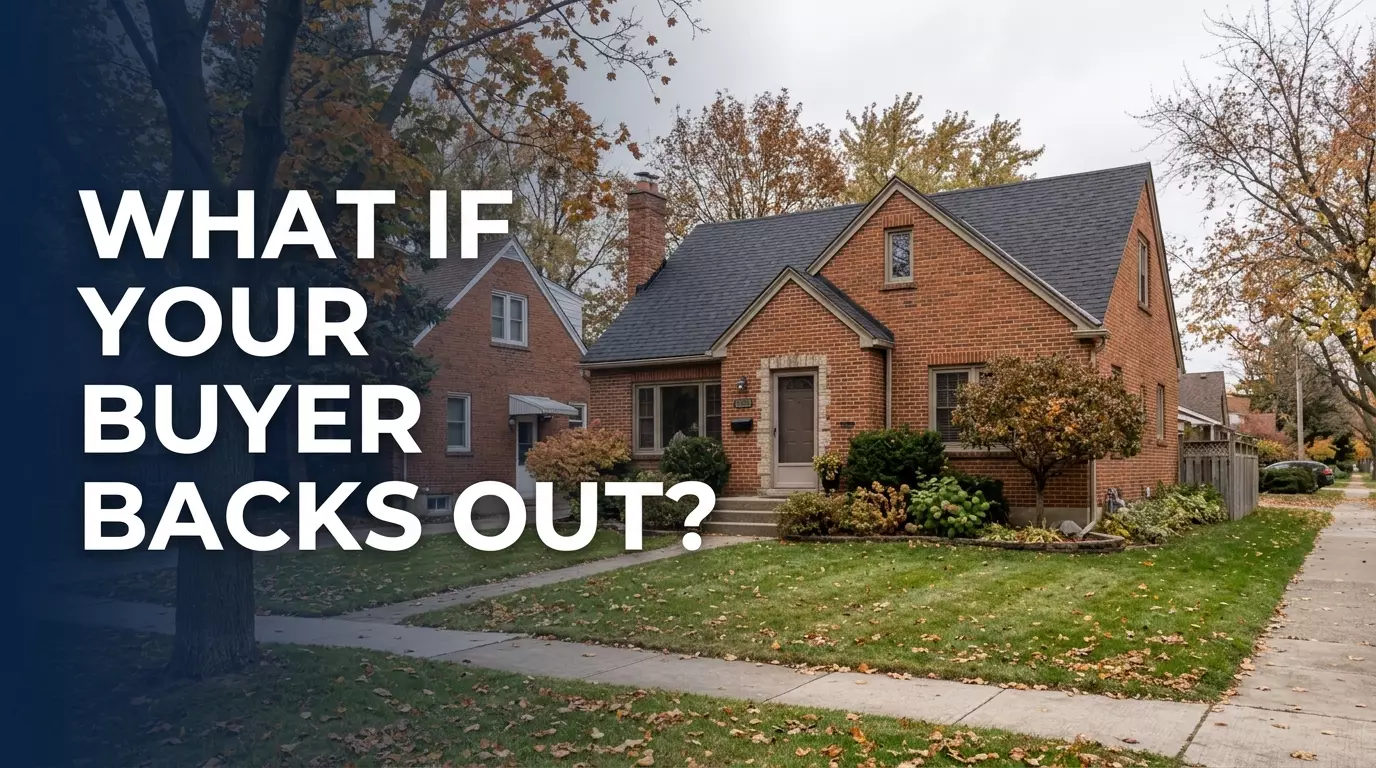
Getting an offer on your home is exciting. Suddenly, your next move feels closer.
But alongside that excitement, a question can creep in: What happens if the buyer doesn’t follow through?
If you’re planning to sell in Brantford, Brant County, Paris, Cambridge, Kitchener or a surrounding community, that concern is understandable. Your sale may be connected to another purchase, a relocation or an important change in your life.
You cannot control every part of a transaction. You can, however, prepare for potential problems, understand the offer in front of you and make informed decisions before accepting it.
That starts with knowing what “a buyer backing out” actually means.
An accepted offer can include conditions—for example, financing approval, a satisfactory home inspection or the sale of the buyer’s current property. RECO identifies these as conditions buyers may use to protect their interests.
Whether a conditional agreement proceeds depends on its wording, deadlines and how the conditions are addressed. It is still a contract with obligations; the conditional period is not simply an unrestricted opportunity to change one’s mind.
A firm agreement is different. A buyer who fails to complete the purchase may face significant legal and financial consequences. Even failing to deliver the deposit does not automatically cancel an agreement, as RECO explains.
For sellers, the practical lesson is to understand the whole offer: its conditions, deposit requirements, timelines and closing arrangements.
Here are three areas worth discussing before you commit.
A qualified home inspector examines major systems such as roofing, plumbing, electrical, heating and the foundation. The findings can help a buyer understand potential repairs and maintenance needs.
For a seller, unexpected findings can introduce another round of questions or negotiations. How the parties can respond depends on the agreement.
A pre-listing inspection may also be worth considering. It can help you identify issues earlier, obtain professional estimates and decide how to approach preparation and marketing.
However, it will not uncover every possible problem or prevent a buyer from requesting their own inspection.
If you become aware of a defect, discuss the appropriate next steps with your agent and, where needed, your lawyer. Ontario disclosure obligations depend on the nature of the issue; sellers should not conceal defects. reco.on.ca
The aim is to understand your property and address important questions before they become last-minute surprises.
The Financial Consumer Agency of Canada explains that a lender can still refuse an application after pre-approval. Approval also depends on the property and the lender’s requirements.
That distinction matters when you are comparing offers.
Through the buyer’s representative, your agent can ask appropriate questions about the buyer’s financing preparations. However, your agent cannot guarantee a lender’s decision or independently certify the buyer’s ability to close.
Consider the full offer rather than relying on a statement that the buyer is “pre-approved.” The deposit arrangements, conditions and proposed closing date all deserve attention.
The buyer should work with their mortgage professional to confirm financing for the particular property before making decisions about removing a financing condition.
An offer may therefore include a condition relating to that sale. This creates another transaction to consider when assessing your own timeline.
- Is the buyer’s home already listed?
- Do they have an accepted offer on it?
- Is that sale conditional or firm?
- What deadlines appear in the offer on your home?
- How would a delay affect your next move?
Depending on the circumstances, your agent and lawyer may discuss whether an appropriately drafted escape clause makes sense. Such a clause may allow continued marketing and a defined notice process if another acceptable offer arrives. Its operation depends on the exact contract wording—it does not give a seller an unrestricted right to replace the first buyer.
The important step is understanding the dependency before accepting it.
An attractive offer deserves a careful review of everything attached to it.
Alongside the proposed purchase amount, consider the conditions, deposit amount and delivery deadline, closing date, included items and any repair commitments.
Be specific about agreed work. Clearly recording what must be completed, by whom and when can help reduce misunderstandings.
For sellers moving between communities—perhaps from Brantford to Cambridge, Paris to Hamilton or Kitchener to the GTA—the timing of both transactions deserves particular attention. Discuss the implications before committing to your next purchase.
A concern does not automatically mean the sale is over.
An inspection question may need further assessment. A financing request may require additional documentation. A proposed change may be something the parties can discuss.
Respond promptly, keep communication documented and involve the appropriate professional.
If a buyer indicates they will not close, obtain legal advice immediately before treating the agreement as ended, signing a release or committing to another sale. Your agent can help coordinate communication, but contractual remedies require legal guidance. The Ottawa Real Estate Board advises buyers and sellers to seek legal advice when the other party does not fulfil their contractual commitments.
You do not need certainty about every possible outcome to begin planning your move. You need a clear understanding of your property, the offers you receive and the decisions ahead.
For sellers in Brantford, Brant County, Paris, Cambridge, Kitchener, Woodstock, Hamilton and surrounding communities, preparation can make those decisions more manageable.
Thinking of selling? Call Team OLIVIERI for a FREE, no-obligation Home Evaluation and selling consultation.
We’ll discuss your plans, the preparation your home may benefit from and whether a pre-listing inspection makes sense for your situation.
---
It depends on the agreement and circumstances. A conditional agreement may end according to its terms. Failing to complete a firm purchase can carry legal and financial consequences. Have your agent and lawyer explain the specific agreement.
Does mortgage pre-approval guarantee that a buyer can close?
No. Pre-approval does not guarantee mortgage approval, and the lender must also assess the property against its requirements.
Should I get a home inspection before listing?
It may help you identify issues and plan your preparation, but it is not necessary for every seller. Discuss its usefulness, cost and limitations with your agent.
Is an offer conditional on the buyer selling their home automatically a bad offer?
No. It introduces a dependency that should be assessed alongside the other terms. The buyer’s selling progress, deadlines and your own plans all matter.
What should I do if my buyer says they will not close?
Contact your real estate lawyer and agent promptly. Get advice before agreeing to changes, releasing the buyer or proceeding with another sale.
But alongside that excitement, a question can creep in: What happens if the buyer doesn’t follow through?
If you’re planning to sell in Brantford, Brant County, Paris, Cambridge, Kitchener or a surrounding community, that concern is understandable. Your sale may be connected to another purchase, a relocation or an important change in your life.
You cannot control every part of a transaction. You can, however, prepare for potential problems, understand the offer in front of you and make informed decisions before accepting it.
That starts with knowing what “a buyer backing out” actually means.
A Conditional Sale and a Firm Sale Are Different
An accepted offer can include conditions—for example, financing approval, a satisfactory home inspection or the sale of the buyer’s current property. RECO identifies these as conditions buyers may use to protect their interests.Whether a conditional agreement proceeds depends on its wording, deadlines and how the conditions are addressed. It is still a contract with obligations; the conditional period is not simply an unrestricted opportunity to change one’s mind.
A firm agreement is different. A buyer who fails to complete the purchase may face significant legal and financial consequences. Even failing to deliver the deposit does not automatically cancel an agreement, as RECO explains.
For sellers, the practical lesson is to understand the whole offer: its conditions, deposit requirements, timelines and closing arrangements.
Here are three areas worth discussing before you commit.
1. Inspection Findings That Create Uncertainty
A home can look well maintained and still have issues that deserve closer attention.A qualified home inspector examines major systems such as roofing, plumbing, electrical, heating and the foundation. The findings can help a buyer understand potential repairs and maintenance needs.
For a seller, unexpected findings can introduce another round of questions or negotiations. How the parties can respond depends on the agreement.
How to Prepare
Before listing, discuss the home’s condition openly with your agent. Gather useful records, including available permits, repair invoices, warranties and servicing information.A pre-listing inspection may also be worth considering. It can help you identify issues earlier, obtain professional estimates and decide how to approach preparation and marketing.
However, it will not uncover every possible problem or prevent a buyer from requesting their own inspection.
If you become aware of a defect, discuss the appropriate next steps with your agent and, where needed, your lawyer. Ontario disclosure obligations depend on the nature of the issue; sellers should not conceal defects. reco.on.ca
The aim is to understand your property and address important questions before they become last-minute surprises.
2. Financing That Is Not Fully in Place
A buyer being pre-approved is encouraging, but it does not mean their mortgage is guaranteed.The Financial Consumer Agency of Canada explains that a lender can still refuse an application after pre-approval. Approval also depends on the property and the lender’s requirements.
That distinction matters when you are comparing offers.
How to Prepare
Review any financing condition carefully with your agent. Understand what it requires, when it expires and what notices must be delivered.Through the buyer’s representative, your agent can ask appropriate questions about the buyer’s financing preparations. However, your agent cannot guarantee a lender’s decision or independently certify the buyer’s ability to close.
Consider the full offer rather than relying on a statement that the buyer is “pre-approved.” The deposit arrangements, conditions and proposed closing date all deserve attention.
The buyer should work with their mortgage professional to confirm financing for the particular property before making decisions about removing a financing condition.
3. A Purchase That Depends on Another Home Selling
Some buyers need to sell their existing home before they can complete their next purchase.An offer may therefore include a condition relating to that sale. This creates another transaction to consider when assessing your own timeline.
How to Prepare
Ask your agent to help clarify the situation:- Is the buyer’s home already listed?
- Do they have an accepted offer on it?
- Is that sale conditional or firm?
- What deadlines appear in the offer on your home?
- How would a delay affect your next move?
Depending on the circumstances, your agent and lawyer may discuss whether an appropriately drafted escape clause makes sense. Such a clause may allow continued marketing and a defined notice process if another acceptable offer arrives. Its operation depends on the exact contract wording—it does not give a seller an unrestricted right to replace the first buyer.
The important step is understanding the dependency before accepting it.
Compare the Entire Offer
An attractive offer deserves a careful review of everything attached to it.Alongside the proposed purchase amount, consider the conditions, deposit amount and delivery deadline, closing date, included items and any repair commitments.
Be specific about agreed work. Clearly recording what must be completed, by whom and when can help reduce misunderstandings.
For sellers moving between communities—perhaps from Brantford to Cambridge, Paris to Hamilton or Kitchener to the GTA—the timing of both transactions deserves particular attention. Discuss the implications before committing to your next purchase.
What If a Problem Comes Up After Acceptance?
A concern does not automatically mean the sale is over.An inspection question may need further assessment. A financing request may require additional documentation. A proposed change may be something the parties can discuss.
Respond promptly, keep communication documented and involve the appropriate professional.
If a buyer indicates they will not close, obtain legal advice immediately before treating the agreement as ended, signing a release or committing to another sale. Your agent can help coordinate communication, but contractual remedies require legal guidance. The Ottawa Real Estate Board advises buyers and sellers to seek legal advice when the other party does not fulfil their contractual commitments.
Prepare for Your Sale With Greater Confidence
You do not need certainty about every possible outcome to begin planning your move. You need a clear understanding of your property, the offers you receive and the decisions ahead.For sellers in Brantford, Brant County, Paris, Cambridge, Kitchener, Woodstock, Hamilton and surrounding communities, preparation can make those decisions more manageable.
Thinking of selling? Call Team OLIVIERI for a FREE, no-obligation Home Evaluation and selling consultation.
We’ll discuss your plans, the preparation your home may benefit from and whether a pre-listing inspection makes sense for your situation.
---
FAQ
Can a buyer back out of an accepted offer in Ontario?It depends on the agreement and circumstances. A conditional agreement may end according to its terms. Failing to complete a firm purchase can carry legal and financial consequences. Have your agent and lawyer explain the specific agreement.
Does mortgage pre-approval guarantee that a buyer can close?
No. Pre-approval does not guarantee mortgage approval, and the lender must also assess the property against its requirements.
Should I get a home inspection before listing?
It may help you identify issues and plan your preparation, but it is not necessary for every seller. Discuss its usefulness, cost and limitations with your agent.
Is an offer conditional on the buyer selling their home automatically a bad offer?
No. It introduces a dependency that should be assessed alongside the other terms. The buyer’s selling progress, deadlines and your own plans all matter.
What should I do if my buyer says they will not close?
Contact your real estate lawyer and agent promptly. Get advice before agreeing to changes, releasing the buyer or proceeding with another sale.
We would like to hear from you! If you have any questions, please do not hesitate to contact us. We are always looking forward to hearing from you! We will do our best to reply to you within 24 hours !